Investment alerts can play a crucial role in enhancing your portfolio’s performance. Many investors struggle with timely decision-making, leading to missed opportunities and suboptimal returns. This article will examine how investment alerts, such as those offered by Stocks Alerter, can improve your trading strategy by providing timely signals, exploring various types of alerts, and offering real-life examples of effectiveness. Readers will gain insights into balancing risk and opportunity while navigating the stock market, helping them make informed decisions that can boost their investment outcomes.
Key Takeaways
- investment alerts provide timely notifications for better decision-making in stock trading
- customizing alerts enhances relevance and aligns notifications with individual investment strategies
- understanding market dynamics through alerts helps mitigate risks and capitalize on opportunities
- integrating advanced technologies improves the accuracy and speed of investment alerts
- real-life examples demonstrate the positive impact of alerts on portfolio performance
Understanding How Investment Alerts Can Enhance Your Portfolio

Investment alerts, such as a stocks alerter, serve as powerful tools for investors by delivering timely intelligence on asset price changes and market conditions. These alerts analyze unique benefits, including enhanced decision-making and improved alignment with individual investment strategies. Understanding the role of these alerts is crucial for investors aiming to optimize their portfolio management and respond promptly to market dynamics.
Defining Investment Alerts and Their Purpose
Investment alerts are notifications that inform investors about significant changes in the market, such as price movements or regulatory updates. Their primary purpose is to facilitate timely communication, enabling traders to make informed decisions based on real-time data. By adhering to specific rulemaking and regulations, these alerts help investors respond effectively to international trade developments and manage their portfolios more effectively.
Analyzing the Unique Benefits of Investment Alerts
Investment alerts provide critical advantages by enhancing risk assessment and management for investors. Utilizing advanced tools like ugcads AI, investors can receive real-time updates that identify shifts in foreign direct investment or market trends, allowing them to adjust positions swiftly. This proactive approach not only safeguards against potential losses but also capitalizes on emerging opportunities, cultivating a portfolio aligned with evolving market conditions and investor interests.
Assessing the Role of Timeliness in Investment Decisions
Timeliness plays a crucial role in investment decisions as markets can change rapidly. Alerts that provide real-time notifications about key developments help investors avoid unnecessary expenses by enabling prompt reactions to shifts in market sentiment or regulatory updates, such as those outlined in a notice of proposed rulemaking. When investors receive timely alerts, they can stay covered against potential downturns while also identifying opportunities to enhance their portfolio’s performance.
Recognizing How Alerts Align With Your Investment Strategy
Investment alerts play a significant role in aligning with an investor’s strategy by providing critical insights that are tailored to specific preferences, such as focus on equity and investment fund selections. These alerts can notify investors of movements within data centers that house crucial market information, enabling them to react to shifts in trends effectively. Utilizing advanced surveillance methods, including quantum computing, enables investors to receive real-time updates, ensuring their strategies stay relevant amidst rapid market changes:
- Timely notifications about market movements.
- Insights tailored to equity and investment fund objectives.
- Utilization of advanced surveillance technologies for market analysis.
- Integration with personal investment strategies to enhance decision-making.
Investment alerts can provide the insights traders need to make informed decisions. Next, let’s examine the different types of alerts and how each one can support a trading strategy.
Exploring Various Types of Investment Alerts
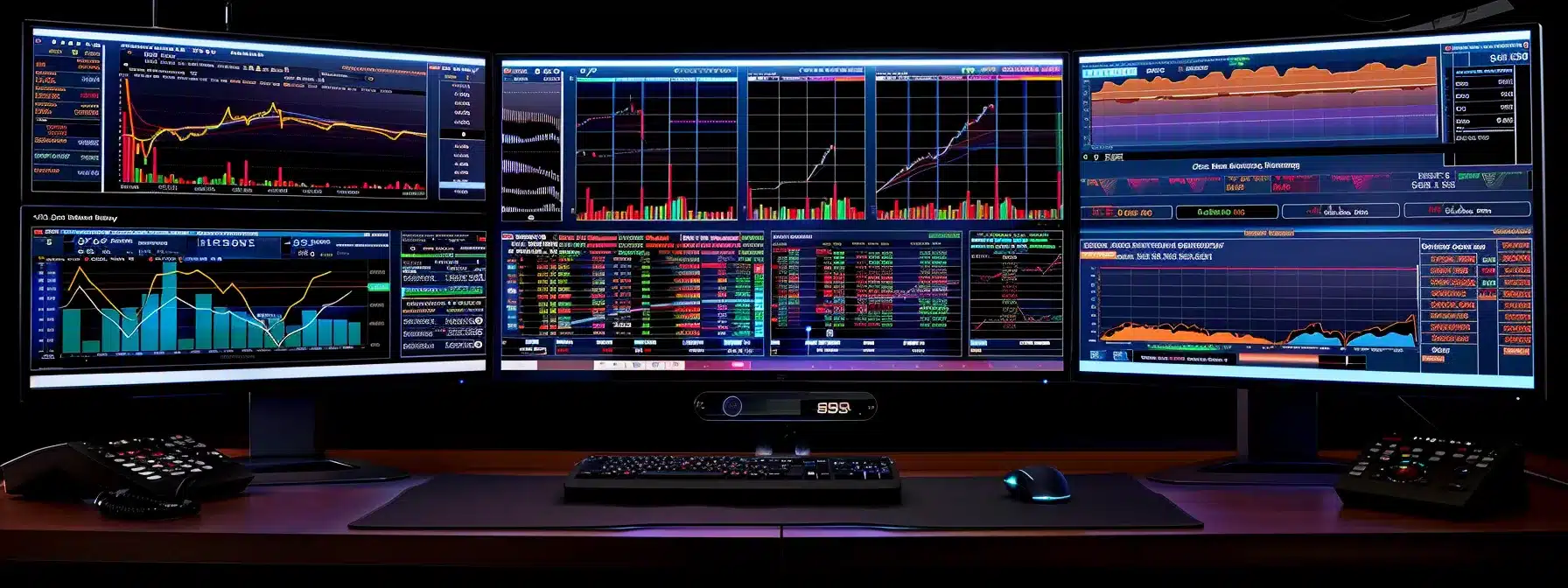
Investment alerts encompass various types tailored to meet the diverse needs of investors, enhancing their ability to manage portfolios effectively. Price alerts help monitor targeted investments by notifying traders of significant price changes. Earnings alerts focus on company performance, highlighting shifts in revenue relevant to investors. Event-based alerts capture market movements, while technical alerts leverage charts to identify indicators of volatility. Lastly, news alerts provide updates affecting stock prices, ensuring investors remain informed about factors impacting their personal finance strategies within jurisdictional influences.
Price Alerts for Targeted Investments
Price alerts serve as essential tools for traders focused on targeted investments, as they notify individuals about significant fluctuations in asset prices, enabling swift decisions to maximize profit. By relying on these alerts, investors can build trust in their trading strategies while safeguarding themselves against potential fraud through timely information. For professionals involved in securing export control compliance, these alerts also provide a mechanism to react promptly to price movements that may affect bond investments or other financial instruments.
- Price alerts deliver timely intelligence on asset price fluctuations.
- They support decision-making aimed at maximizing profit.
- Alerts foster trust and mitigate risks related to fraud.
- Essential for monitoring compliance with export control regulations.
- Help in managing bond investments effectively.
Earnings Alerts Related to Company Performance
Earnings alerts related to company performance serve as crucial notifications for investors seeking to enhance their income strategies. These alerts provide real-time insights into shifts in revenue, allowing traders to make informed decisions based on a company’s fiscal health. By staying updated on earnings reports and related metrics, investors can better align their portfolios with national security interests that may impact financial markets, ultimately optimizing their investment outcomes.
Event-Based Alerts for Market Movements
Event-based alerts are crucial for stock traders who wish to stay informed about significant market movements stemming from corporate announcements, geopolitical events, or economic reports. These notifications enable investors to react swiftly to events that may influence stock prices, thereby maximizing their investment strategies. By understanding the potential impact of such events and responding in real-time, traders can enhance their ability to protect their portfolios and seize new opportunities:
- Notifications on corporate announcements influencing stock performance.
- Updates regarding geopolitical events affecting market dynamics.
- Economic reports that provide insights into market trends.
Technical Alerts Leveraging Charts and Indicators
Technical alerts leverage charts and indicators to provide investors with timely insights into market movements and trends. These alerts help traders identify potential entry and exit points based on technical analysis, facilitating data-driven decisions that align with their investment strategies. By utilizing technical alerts, investors can react to market patterns swiftly and adjust their portfolios to capitalize on favorable conditions:
- Real-time notifications on technical indicators.
- Alerts based on chart patterns and market trends.
- Support for data-driven decision-making in trading.
News Alerts Impacting Stock Prices
News alerts significantly impact stock prices by keeping investors informed about critical events that can affect market fluctuations. By providing updates on economic developments, corporate announcements, or geopolitical situations, these alerts enable traders to make swift decisions in response to emerging situations. Investors equipped with timely news alerts can proactively adjust their strategies, minimizing potential losses while capitalizing on advantageous market conditions.
Understanding the different types of investment alerts reveals their potential. Now, it is time to put that knowledge to work and implement these alerts effectively.
Implementing Investment Alerts Effectively

Implementing Investment Alerts Effectively
To maximize the benefits of investment alerts, selecting the right tools for monitoring market changes is essential. Customizing alerts to suit individual investment needs allows traders to receive tailored notifications. Setting appropriate parameters ensures relevant alerts, while integrating them into daily trading workflows facilitates prompt decision-making. Together, these strategies optimize portfolio management and enhance market responsiveness.
Selecting the Right Tools for Alerts
Selecting the right tools for investment alerts is vital for enhancing portfolio management. Investors should consider platforms that offer customization features, allowing them to receive alerts based on their investment preferences and specific market conditions. By focusing on tools that provide real-time data and comprehensive market analysis, traders can ensure they are equipped to respond swiftly to changes in asset prices or economic developments:
- Utilize platforms that allow for personalized alert settings.
- Ensure tools provide real-time notifications for immediate updates.
- Focus on comprehensive market analyses to support informed decision-making.
Customizing Alerts to Suit Your Investment Needs
Customizing alerts to suit specific investment needs is fundamental for maximizing the effectiveness of investment alerts. By setting parameters based on individual trading strategies, investors can receive targeted notifications that align with their goals, whether they focus on price movements, earnings reports, or market events. For instance, an investor concentrating on technology stocks might configure alerts for significant price changes or news updates related to that sector, enabling informed and timely decisions that can enhance portfolio performance.
Setting Appropriate Parameters for Notifications
Setting appropriate parameters for notifications is essential for maximizing the benefits of investment alerts. Investors should precisely define the criteria that trigger alerts, such as specific price thresholds or earnings report releases, to receive only the most relevant updates. By fine-tuning these parameters, traders can minimize information overload, ensuring they focus on critical notifications that directly impact their portfolio strategies.
Integrating Alerts Into Your Trading Workflow
Integrating alerts into a trading workflow is vital for maximizing the efficiency of investment strategies. Traders should cultivate a systematic approach, where alerts are not only monitored but also actively factored into decision-making processes. By establishing routines that incorporate these notifications, investors can respond to market changes in real-time, ensuring they are well-positioned to capitalize on opportunities and mitigate risks effectively.
With investment alerts in place, traders gain an edge, spotting opportunities as they arise. The next step lies in transforming those alerts into smarter decisions that can lead to greater success.
Enhancing Decision-Making With Investment Alerts

Investment alerts enhance decision-making by helping investors utilize alerts to avoid emotional trading, thus fostering disciplined approaches to market changes. Balancing alert frequency prevents information overload, enabling clear responses to critical updates. Additionally, developing a response framework for alerts and learning from past notifications allows traders to refine their strategies effectively, ensuring an adaptive and informed investment process.
Utilizing Alerts to Avoid Emotional Trading
Utilizing investment alerts effectively can significantly reduce the impact of emotional trading on investment decisions. By providing timely notifications regarding market changes, investors can make decisions based on data rather than gut feelings. This disciplined approach helps to avoid impulsive actions that often lead to financial setbacks, enabling traders to focus on long-term strategies and overall portfolio growth:
- Timely notifications help mitigate emotional responses to market fluctuations.
- Data-driven decisions foster a disciplined trading approach.
- Avoiding impulsive actions protects investors from financial losses.
- Focus on long-term strategies enhances overall portfolio growth.
Balancing Alert Frequency to Prevent Overload
Balancing the frequency of investment alerts is essential to prevent information overload, which can overwhelm investors and hinder effective decision-making. By carefully selecting the types and timing of alerts, traders can focus on critical updates without being inundated by constant notifications. This strategic approach not only enhances clarity in decision-making but also allows investors to respond promptly to significant market changes, ultimately leading to improved portfolio management.
Developing a Response Framework for Alerts
Establishing a response framework for alerts is essential for investors looking to maximize the effectiveness of their investment alerts. This framework should outline predefined actions based on specific notifications, enabling traders to respond quickly and strategically to market shifts. For instance, if a price alert indicates significant movement in a stock, the investor might have a plan in place to evaluate their position and determine whether to buy, hold, or sell based on their trading strategy.
- Define actions corresponding to various alert types.
- Incorporate pre-determined strategies for common market scenarios.
- Ensure quick and strategic responses to market changes.
Learning From Past Alerts to Improve Strategy
Learning from past alerts is essential for investors looking to improve their strategies and boost portfolio performance. By reviewing previous investment alerts and their outcomes, traders can identify patterns and refine their decision-making processes, tailoring strategies to respond more effectively to market shifts. For instance, if an alert on price volatility led to a successful trade, understanding the conditions that prompted that alert can inform future actions and enhance overall investment effectiveness.
Investment alerts change the game, offering traders the edge they need. Now, let’s look at real-life examples that show their power in action.
Real-Life Examples of Investment Alerts in Action

This section presents real-life examples showcasing the impact of investment alerts on portfolio performance. It includes case studies that highlight how alerts influence trading outcomes, along with testimonials from successful investors who share their experiences. Furthermore, an analysis of alert outcomes reveals trends in investment behavior, providing valuable insights for traders aiming to optimize their strategies.
Case Studies Demonstrating Alert Impact
Case studies illustrate the significant impact investment alerts have on portfolio performance. For example, one trader utilized price alerts to notify him of critical fluctuations in technology stocks, allowing timely decisions that led to a 25% increase in his returns within a short period. Similarly, another investor benefited from earnings alerts, strategically adjusting her investments in response to favorable revenue announcements, ultimately enhancing her overall financial outcomes:
- Trader A achieved a 25% increase in returns with timely price alerts on technology stocks.
- Investor B leveraged earnings alerts to actively adjust investments based on revenue performance.
- Both cases highlight the effectiveness of investment alerts in optimizing portfolio strategies.
Testimonials From Successful Investors
Successful investors often share their experiences with investment alerts, highlighting how these tools have significantly impacted their trading outcomes. For instance, one investor recounted how timely price alerts allowed for quick reaction to market shifts, resulting in a notable increase in his portfolio’s growth. Another trader emphasized the importance of earnings alerts, which provided critical insights into company performance, enabling strategic adjustments that maximized returns during key economic events.
Analyzing Alert Outcomes for Better Insights
Investors who analyze alert outcomes gain valuable insights that can significantly enhance their trading strategies. By reviewing how specific alerts influenced their decisions, traders can identify which types of notifications were most impactful in achieving desired results. For instance, if a price alert prompts a successful trade, understanding the underlying market conditions can lead to optimized strategies for future investments, ultimately boosting portfolio performance.
Identifying Patterns in Investment Behavior
Identifying patterns in investment behavior is crucial for optimizing portfolio performance. By analyzing the outcomes of investment alerts, traders can discern which notifications led to successful trades and which did not. This insight allows them to adjust their strategies accordingly, enhancing their ability to respond to market fluctuations effectively and capitalize on emerging opportunities.
The investments paid off, revealing the power of timely information. Now, as markets shift, a new horizon for investment alerts emerges, promising even greater opportunities.
Future Trends in Investment Alerts

The future of investment alerts is shaped by several key trends that promise to enhance portfolio management. The role of artificial intelligence in alerts allows for quicker, more accurate notifications tailored to individual preferences. Mobile applications are transforming how alerts are delivered, while personalized notifications improve engagement. As market dynamics shift, so too will the capabilities of alerts, including potential integration with social trading platforms.
The Role of Artificial Intelligence in Alerts
The integration of artificial intelligence (AI) into investment alerts is set to transform how traders manage their portfolios. By utilizing advanced algorithms, AI can analyze vast amounts of market data in real-time, delivering highly relevant notifications tailored to individual trading strategies. For example, AI can enhance the accuracy of alerts by recognizing patterns in stock performance, enabling investors to react swiftly to market changes and optimize decision-making processes.
Mobile Applications Shaping Alert Delivery
Mobile applications are significantly reshaping the delivery of investment alerts, making it easier for investors to receive timely information on their portfolios. These apps often provide real-time notifications directly to users’ smartphones, ensuring that they can respond promptly to market changes, price fluctuations, and other critical updates wherever they are. By utilizing intuitive user interfaces and customizable alert settings, mobile platforms empower investors to tailor their notification preferences, enhancing their ability to make informed decisions swiftly and effectively.
Looking at Personalized Alerts for Better Engagement
Personalized alerts are increasingly becoming a vital tool for investors seeking to enhance engagement with their portfolios. By tailoring notifications to individual preferences, investors can receive updates that align closely with their specific investment goals and strategies. This customization not only improves the relevance of the alerts but also allows traders to make informed decisions more swiftly, ultimately leading to better portfolio outcomes:
- Enhancement of user engagement through customized notifications.
- Alignment of alerts with specific investment goals and strategies.
- Improvement in decision-making speed and portfolio performance.
Anticipating Changes in Market Dynamics and Alerts
As market dynamics evolve, the ability to anticipate changes becomes critical for investors. Investment alerts can be enhanced by leveraging predictive analytics to identify emerging trends before they significantly impact portfolios. For instance, by analyzing historical data and current market indicators, traders can receive alerts that inform them of potential shifts in market sentiment, allowing for proactive adjustments to their strategies and enhancing overall portfolio performance.
Exploring Integration With Social Trading Platforms
Integrating investment alerts with social trading platforms can significantly enhance the trading experience for investors. These platforms allow traders to share insights and strategies in real-time, facilitating access to critical market information and updates. By leveraging investment alerts within social trading environments, traders can respond swiftly to market changes, collaboratively refine their strategies, and ultimately improve their portfolio management.
Conclusion
Investment alerts play a crucial role in enhancing portfolio management by providing timely notifications that facilitate informed decision-making. By leveraging various types of alerts, such as price, earnings, and event-based notifications, traders can react promptly to market dynamics and optimize their strategies. Customizing alerts to fit individual investment goals ensures that investors receive relevant insights that directly impact their financial outcomes. Embracing investment alerts empowers traders to navigate the complexities of the market effectively, ultimately driving better investment performance and safeguarding against potential risks.