In the fast-paced world of trading, timely information is crucial for success. Traders often weigh the benefits of SMS stock alerts against traditional email alerts. Both options offer unique advantages, but understanding their differences is key to refining your trading strategy. This article will cover the speed and reliability of notifications, user engagement, and customization features. By exploring these aspects, readers will gain insights into which alert method best suits their needs, helping them stay informed about market data and price changes effectively.
Key Takeaways
- SMS alerts provide real-time notifications essential for swift trading decisions
- Email alerts offer detailed analyses that enhance understanding of market trends
- Traders benefit from utilizing both SMS and email alerts for comprehensive market awareness
- Cost considerations are vital when choosing between SMS and email stock alert methods
- Platform compatibility impacts the effectiveness of receiving alerts for traders on the go
Understand the Basics of SMS and Email Alerts
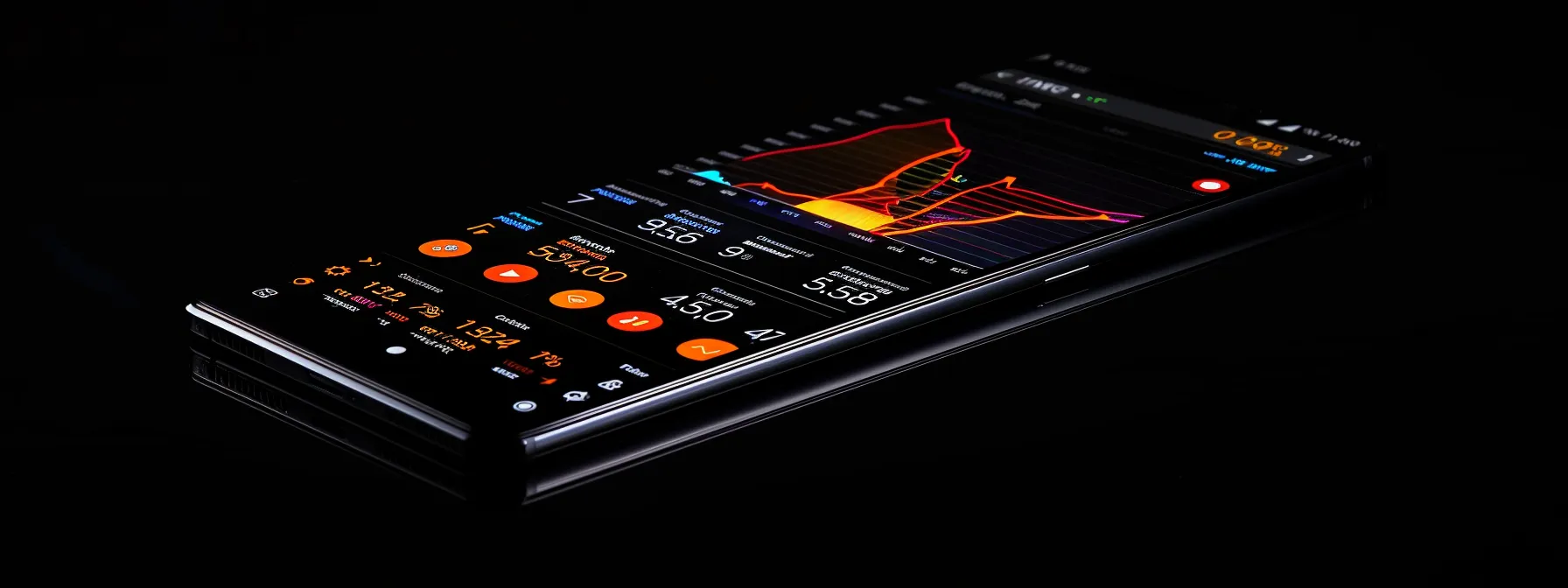
SMS stock alerts are instant notifications sent directly to a user’s mobile device, offering quick insights on price movement and momentum of selected stocks. The stocks alerter homepage provides an easy interface to manage these alerts. In contrast, email stock alerts deliver detailed information and analysis, often including charts and commentary. Both methods serve the common purpose of keeping users informed to make timely trading decisions that capitalize on market opportunities. Additionally, ugc ads help promote these services to a wider audience.
Define SMS Stock Alerts and Their Features
SMS stock alerts are tailored notifications that provide real-time updates on selected assets, ensuring traders are informed about critical price movements and trends. Featuring actionable insights derived from technical indicators like MACD, these alerts are ideally suited for traders using mobile apps to make swift decisions. This instant communication helps users act on opportunities without delay, particularly in volatile markets such as commodities.
- Real-time notifications for selected assets
- Utilizes technical indicators like MACD
- Designed for use with mobile apps
- Essential for quick decision-making in trading
- Ideal for navigating volatile markets
Define Email Stock Alerts and Their Features
Email stock alerts provide comprehensive notifications that include detailed analysis, charts, and actionable trade alerts, helping traders make informed decisions. These alerts often leverage technical analysis, allowing users to assess trends and potential options based on market fluctuations. With the ability to analyze various stocks visually, email alerts enhance the understanding of market movements, complementing the immediate nature of SMS alerts for a well-rounded trading strategy.
Identify Common Uses for Both Notification Methods
Both SMS and email stock alerts play vital roles in the trading strategies of investors, particularly when considering market volatility and risk factors. Traders frequently utilize SMS alerts for immediate trading alerts that prompt quick decisions, while email alerts offer in-depth analysis that helps mitigate risks associated with volatile stock movements. This combination of quick notifications and comprehensive information empowers traders to maximize their profit potential by adapting their strategies in real time, whether they are reviewing data on a mobile device or a web browser.
Notifications must come quickly and without fail. In the next section, the focus shifts to their speed and reliability, crucial elements of effective trading.
Evaluate Speed and Reliability of Notifications

Delivery speed is a critical factor when comparing SMS and email stock alerts, with SMS often providing immediate notifications. Reliability under varying conditions can influence traders’ experience, especially during high market volatility. Platform compatibility also plays a role, as traders must ensure they can receive alerts across their preferred devices. This section will assess these aspects, helping traders determine the best path to start trading effectively.
Compare Delivery Speed of SMS and Email Alerts
When comparing the delivery speed of SMS and email stock alerts, SMS notifications generally offer a significant advantage for day trading. Traders often rely on the rapidity of SMS alerts to act swiftly on market movements, which is crucial for effective risk management. In contrast, while email alerts can provide in-depth analysis and insights into the greeks, their delivery can be slower and less reliable during high volatility, potentially leading to missed opportunities. Therefore, for those looking to leverage immediate market information, SMS alerts are typically the preferred choice.
Assess Reliability Under Different Conditions
The reliability of SMS stock alerts and email alerts can vary significantly depending on market conditions. In instances of high volatility, SMS alerts tend to maintain their effectiveness by delivering timely notifications directly to traders’ mobile devices, thereby reducing the chances of missing critical opportunities. Conversely, email alerts may experience delays in delivery due to server issues or heavy traffic, potentially impacting the trader‘s ability to respond promptly to market changes.
- SMS alerts provide real-time notifications, essential for high-frequency trading.
- Email alerts may face delivery delays during market volatility.
- Traders should evaluate platform reliability and conditions for optimal performance.
Discuss Platform Compatibility
Platform compatibility is a significant consideration for traders when selecting between SMS stock alerts and email alerts. SMS alerts are generally accessible on various mobile devices, ensuring traders receive notifications regardless of their location. On the other hand, email alerts require internet access and may not deliver real-time updates as efficiently on all devices, particularly during periods of high traffic or network congestion. Ensuring that the chosen alert system aligns with a trader‘s preferred devices can enhance decision-making capabilities in fast-paced trading environments.
Speed and reliability pave the way for interactions. Now, let’s turn our focus to how users engage and respond to these notifications.
Analyze User Engagement and Interaction

This section will examine user response rates for SMS alerts and email alerts, highlighting how quickly traders act on these notifications. It will also explore case studies showcasing engagement effectiveness, offering practical insights on which method better captures user attention. Understanding these dynamics is essential for traders aiming to optimize their trading strategies and decision-making processes.
Examine User Response Rates for SMS Alerts
User response rates for SMS stock alerts tend to be significantly higher compared to email alerts due to the immediacy and accessibility of text messages. Traders frequently engage with SMS notifications shortly after receipt, often acting within minutes on critical trading signals. As a result, SMS alerts provide a powerful tool for maximizing timely decision-making, particularly in fast-moving markets where every second counts.
Explore User Response Rates for Email Alerts
User response rates for email stock alerts typically demonstrate a slower engagement compared to their SMS counterparts. While emails can provide more in-depth analysis and detailed insights, traders often have a tendency to delay actions until they can fully assess the information presented. This timing factor can lead to missed opportunities in fast-paced markets, emphasizing the need for traders to remain aware of the delays associated with email notifications when formulating their strategies.
Review Case Studies on Engagement Effectiveness
Case studies reveal distinct patterns in user engagement between SMS stock alerts and email alerts. For instance, a study conducted with over 1,000 traders demonstrated that SMS notifications had a response rate of 80% within five minutes, showcasing their effectiveness in prompting immediate action. Conversely, email alerts exhibited a response time averaging over 30 minutes, indicating that delays in engagement can result in missed trading opportunities, particularly in fast-moving markets.
User engagement reveals what matters. Now, let’s look at how customization and control can shape that experience.
Discuss Customization and Control Features

Customization options play a crucial role in enhancing the effectiveness of both SMS and email stock alerts. This section will explore how traders can tailor SMS alerts to fit their specific needs, investigate the customization features available for email alerts, and review the extent of user control over notification preferences. Understanding these elements is essential for optimizing alert systems for personal trading strategies.
Explore Customization Options for SMS Alerts
SMS stock alerts offer various customization options that empower traders to tailor notifications according to their specific preferences and trading strategies. Users can select the types of alerts they want to receive, such as price changes, volume spikes, or technical indicator triggers, allowing them to focus on the most relevant market signals. Additionally, traders can define the specific stocks they wish to monitor, ensuring that they receive immediate updates only for assets that align with their trading goals.
Investigate Customization Options for Email Alerts
Email alerts offer a variety of customization options that allow traders to tailor notifications to their unique trading preferences. Users can specify the type of information they wish to receive, such as market analysis, specific stock updates, or alerts based on technical indicators. These personalized settings ensure that traders can focus on the most relevant data, enabling them to make informed decisions aligned with their trading strategies:
- Select specific stocks for monitoring
- Set alert thresholds for price changes or volume fluctuations
- Choose the frequency and timing of alert delivery
Review User Control Over Notification Preferences
User control over notification preferences is a crucial aspect of both SMS and email stock alerts. Traders can tailor their alert settings to fit individual trading strategies by selecting specific stocks to monitor, determining the type of notifications they wish to receive, and adjusting the frequency of alerts. This level of customization ensures that traders remain informed about the most relevant market movements, allowing them to respond effectively during critical trading periods.
With customization in hand, one must consider the shadows lurking in the corners. Security and privacy beckon next, for even the finest features need protection.
Investigate Security and Privacy Concerns

Security issues related to SMS notifications, such as susceptibility to interception, highlight the need for caution among traders. In parallel, privacy concerns with email alerts arise from potential exposure to unauthorized access. This section will evaluate data protection for both methods, providing practical insights on safeguarding personal information while utilizing stock alerts effectively.
Address Security Issues With SMS Notifications
SMS stock alerts, while providing timely information, can face security issues such as interception or unauthorized access. This risk stems from the inherent vulnerabilities in mobile networks, potentially leading to sensitive trading information being exposed during transmission. Traders must implement additional security measures, such as two-factor authentication and secure mobile practices, to protect their data and ensure that they can receive alerts safely.
- SMS alerts offer timely updates but pose security vulnerabilities.
- Interception is a key concern for sensitive trading information.
- Security measures like two-factor authentication enhance data protection.
Discuss Privacy Implications of Email Alerts
Email alerts present specific privacy challenges that traders must consider when selecting their notification methods. The exposure of personal information through unauthorized access can lead to sensitive trading data falling into the wrong hands. Traders should utilize secure email services, implement strong passwords, and be cautious of phishing attempts to safeguard their privacy while receiving crucial market information.
- Potential exposure to unauthorized access
- Risks associated with sensitive trading information
- Importance of secure email services and strong passwords
Evaluate Data Protection for Both Methods
Data protection is a significant consideration when evaluating SMS and email alerts for stock trading. SMS alerts present security vulnerabilities due to potential interception, while email alerts face risks from unauthorized access and phishing attacks. Traders should prioritize using secure communication methods, including two-factor authentication for SMS and strong passwords for email accounts, to safeguard their sensitive trading information.
- SMS alerts can be intercepted, exposing sensitive information.
- Email alerts may be vulnerable to unauthorized access and phishing.
- Implementing strong security measures enhances data protection.
Having examined the security and privacy issues, the next step lies in understanding what it will cost. The figures may reveal more than just expenses; they could shape the very foundation of the project’s future.
Determine Cost Implications

The cost implications of SMS stock alerts and email alerts play a significant role in determining their value for traders. This section will analyze costs associated with SMS notifications, including potential subscription fees and mobile charges. It will also explore expenses related to email alerts, such as platform fees and internet requirements. By comparing the value for money between these two options, traders can make informed decisions that align with their budget and trading strategies.
Analyze Costs Associated With SMS Stock Notifications
When considering the costs associated with SMS stock notifications, traders should evaluate both potential subscription fees and mobile charges. Many SMS alert services require a monthly fee, and users may incur additional costs based on their mobile data plans or text message limits. This financial aspect is crucial for traders seeking to optimize their trading budget while ensuring they have timely access to essential market updates.
Explore Expenses Related to Email Alerts
Email alerts often carry associated costs that traders must carefully evaluate to ensure they align with their financial goals. Expenses can include subscription fees to stock alert services and, in some cases, platform fees for email management tools. Additionally, traders must consider the need for reliable internet access, which may create further ongoing costs, especially for those who rely heavily on these notifications for timely market insights:
- Subscription fees for stock alert services
- Platform fees for email management tools
- Cost of reliable internet access
Compare Value for Money Between the Two Options
When comparing the value for money between SMS stock alerts and email alerts, traders must consider both the associated costs and the potential benefits of each method. SMS alerts often come with monthly subscription fees and can incur additional costs through data plans, which may affect overall affordability. On the other hand, email alerts might require subscriptions or platform fees, along with the necessity of reliable internet access, potentially offsetting any savings garnered from the absence of text message charges. Ultimately, the choice should align with a trader‘s budget and the critical need for real-time information during market fluctuations.
Conclusion
Understanding the differences between SMS stock alerts and email alerts is crucial for traders aiming to optimize their strategies. SMS alerts provide immediate notifications essential for quick decision-making, especially in volatile markets, while email alerts offer detailed analysis and insights. The choice between the two methods impacts not only the timeliness of trading actions but also the effectiveness of overall market engagement. Choosing the right alert system can significantly enhance a trader‘s ability to capitalize on opportunities and manage risks effectively.